The short answer: it varies by room and by how you live. The long answer helps you plan and budget realistically.
Typical intervals by room
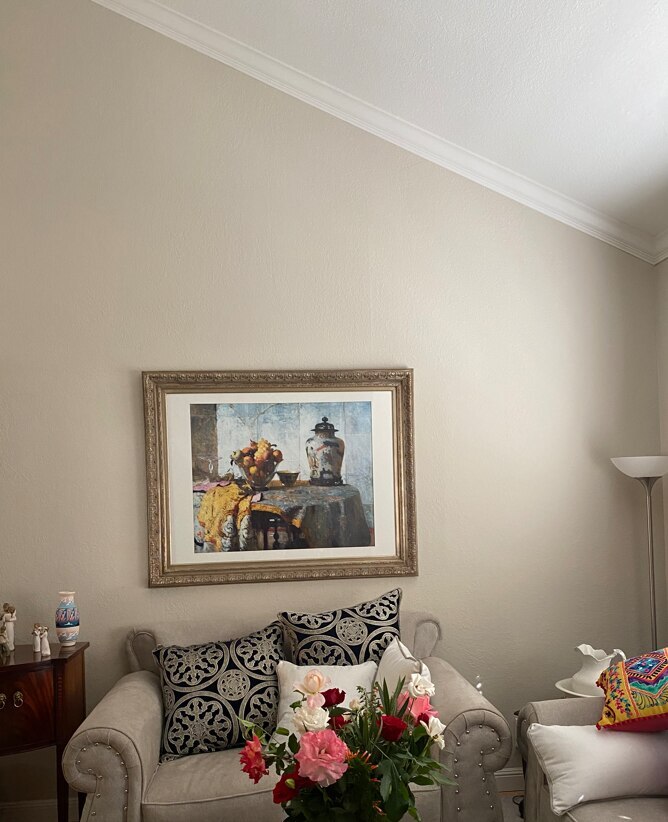
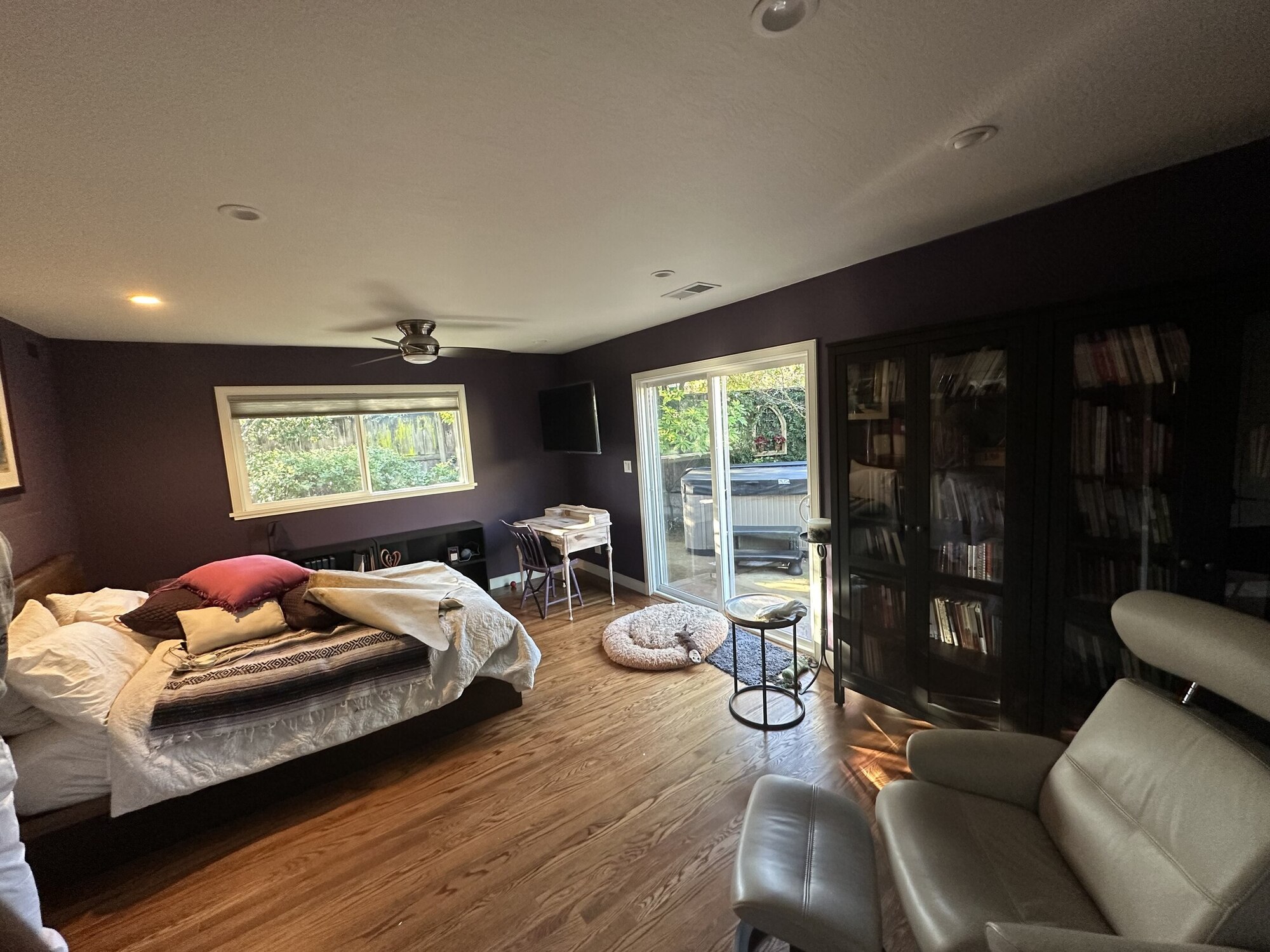
Bedrooms and formal living rooms: 7 to 10 years. Low traffic, minimal wear. Paint here stays looking fresh for a long time. Repaint is usually driven by wanting a color change, not wear.
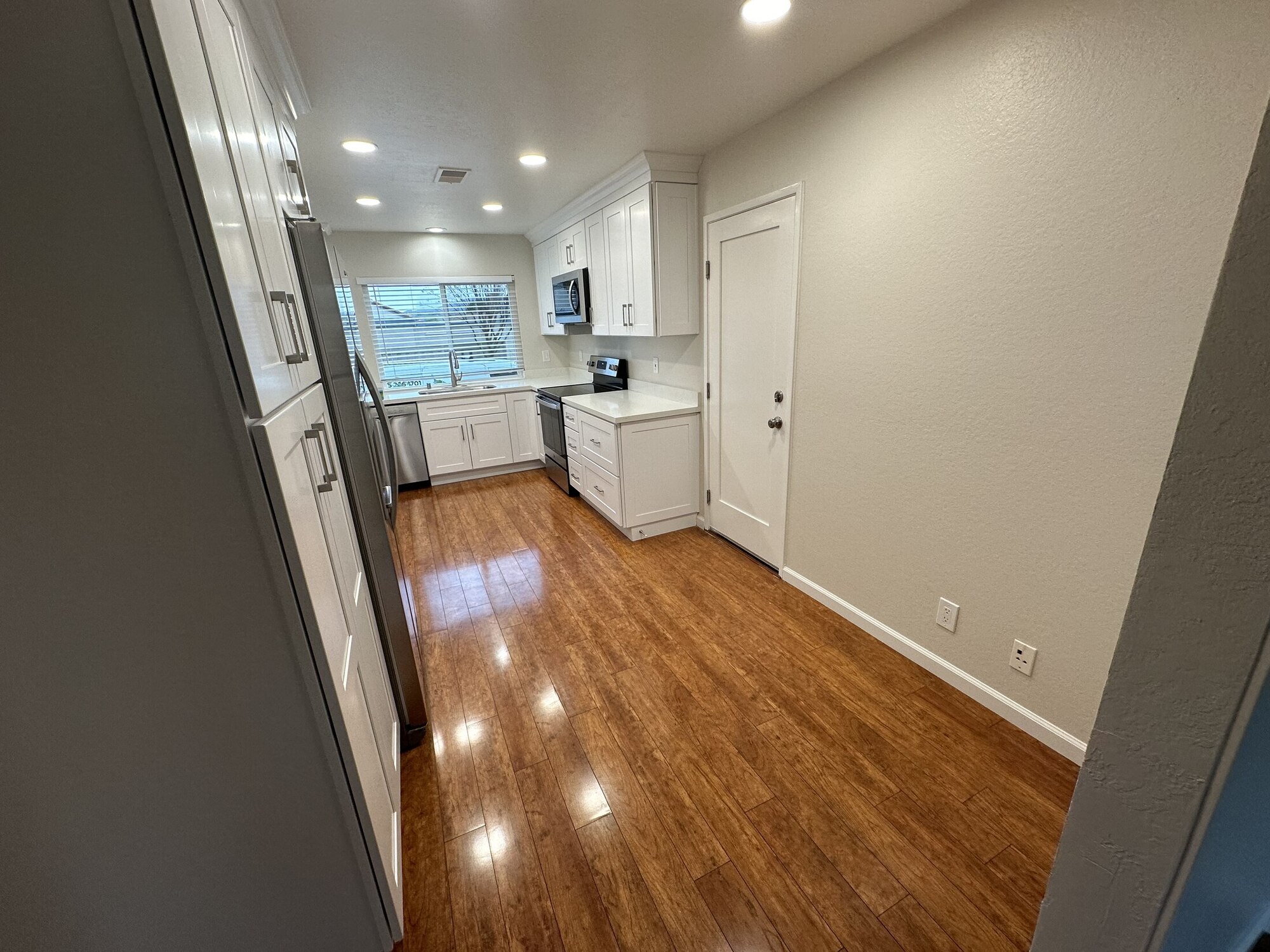
Kitchen: 3 to 5 years. Cooking releases oils and moisture that build up on walls. Cleaning wears down the finish. Kitchen walls face more chemical and physical stress than any other room.
Bathrooms: 3 to 5 years. Similar to kitchens. Humidity plus cleaning products plus splashing wears down paint faster than dry rooms.
Hallways and stairwells: 2 to 5 years. High traffic, constant hand contact, luggage bumps, kids’ backpacks. Trim gets scuffed. Walls get marked.
Kids’ rooms and playrooms: 2 to 4 years. You know why.
Home office: 5 to 8 years. Depends on how often the room reconfigures. Furniture moves and chair marks accelerate wear.
Ceilings: 10 to 15 years. Ceilings don’t get touched, don’t get cleaned, don’t get bumped. They mostly need repainting when the color has yellowed or a leak has stained them.
What accelerates paint wear
- Frequent cleaning with aggressive products
- High humidity without adequate ventilation
- Direct sunlight exposure through south-facing windows
- Smoking indoors (yellows and coats walls with residue)
- Pets that rub against walls consistently
- Kids at hand-mark height
- Frequent furniture rearrangement
What extends paint life
- Quality paint applied properly in the first place
- Adequate prep before painting (this matters more than the paint itself)
- Correct sheen for the room use (satin in kitchens, semi-gloss on trim)
- Gentle cleaning products, not abrasives
- Adequate ventilation in wet rooms
- Touching up marks and scuffs as they happen (not waiting for a full repaint)
When you should not wait for the “typical” interval
Some conditions call for immediate repainting regardless of how long ago the room was painted:
- Water damage or staining (address the underlying leak first)
- Mold or mildew growth (professional remediation may be needed)
- Peeling, blistering, or bubbling (indicates deeper problems)
- Selling your home in the next 12 months (fresh paint returns 100%+ ROI on real estate marketing)
Planning ahead
If you own your home for a long time, budget for a full interior repaint every 8 to 10 years and a partial refresh (high-traffic areas only) every 4 to 5 years. That cadence keeps the whole house looking fresh without ever letting any room get too far behind.
For rental properties, plan for repaints between tenants at minimum, and complete refreshes every 5 to 7 years. Fresh paint reduces vacancy time and supports higher rents.
Signs your home is telling you it is time
If you find yourself apologizing to visitors about how something looks, it is time. If you have stopped noticing marks or scuffs because you got used to them, it is time. If your paint is beyond the typical interval for its room type, it is probably time even if you cannot pinpoint exactly what looks wrong.
Fresh paint is one of the cheapest ways to make a home feel new again.